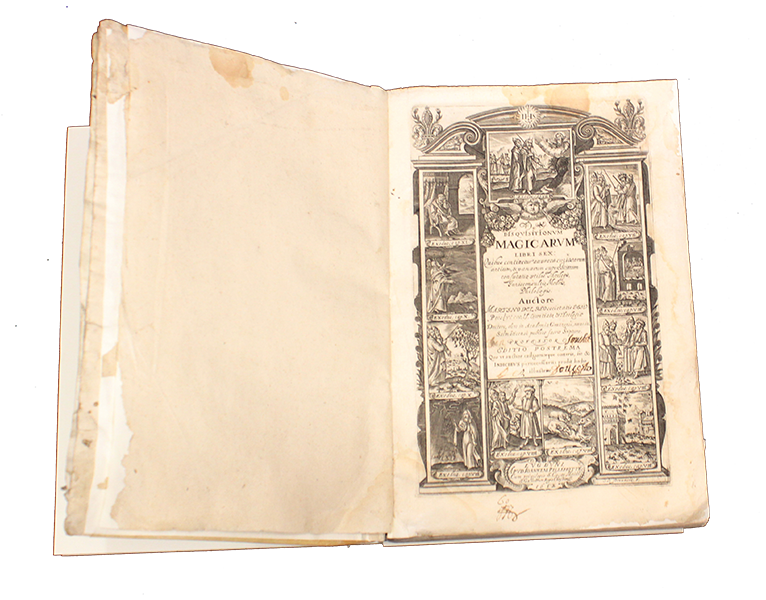
Across all of Europe, the nature of diabolical evil is being eagerly discussed. Experts on devils, witches and demons – so-called demonologists – write great tomes of theories. These bulky books are all based on Christian scripture along with the confessions and discoveries made during the many witch trials. And though the demonologists are far from in agreement, they all, in their separate ways, seek to scientifically define and describe the ungodly enemy.
These demonological works influence the legislation of each country. In Denmark, for instance, the Danish demonologist Niels Hemmingsen gets a say in the Ordinance Against Witches of 1617. And his works are being eagerly read across the rest of Europe.
The descriptions of the witches and their wicked ways also reach the bottommost rung of society. Artists find inspiration in the works of demonologists and create illustrations for their incredible texts – chilling pictures that anyone can understand.
The theories concerning witches and demons are many and varied, however, and the experts are far from in agreement. Learned Catholics and Protestants argue about the magic powers of the witches, and a third group of demonologists believe in the Devil but not in witches as his servants. This sceptic attitude doesn’t start to gain ground before the early 18th century, however.