The many witch trials with their incredible tales of black magic scares people, and their fear of the Devil is only heightened by the fire-and-brimstone sermons preached by the ministers. A small group of people take an active part in the fight against evil, however, and some of them turn out to have quite a passion for hunting witches.
There is no clear answer as to whether it is duty, the fear of God or a desire for power, wealth and social status that drive these various witch hunters, but they all have one thing in common: their eager crusade against the Devil and his helpers.
Most witch hunters are public officials and therefore have easier access to courts and courtrooms as well as better connections. Some are organised in groups – inquisitions or witch commissions. These groups are responsible for persecuting witches across larger areas.
Others work practically independently and on their own initiative – people like the impoverished Oluf Klokker who got two witches burned in Ribe in the 17th century. Others have the power to undertake far bigger persecutions. The Catholic prince Balthasar von Dornbach instigates a witch hunt in 1602, which, at his own death four years later, has cost 200 people their lives.
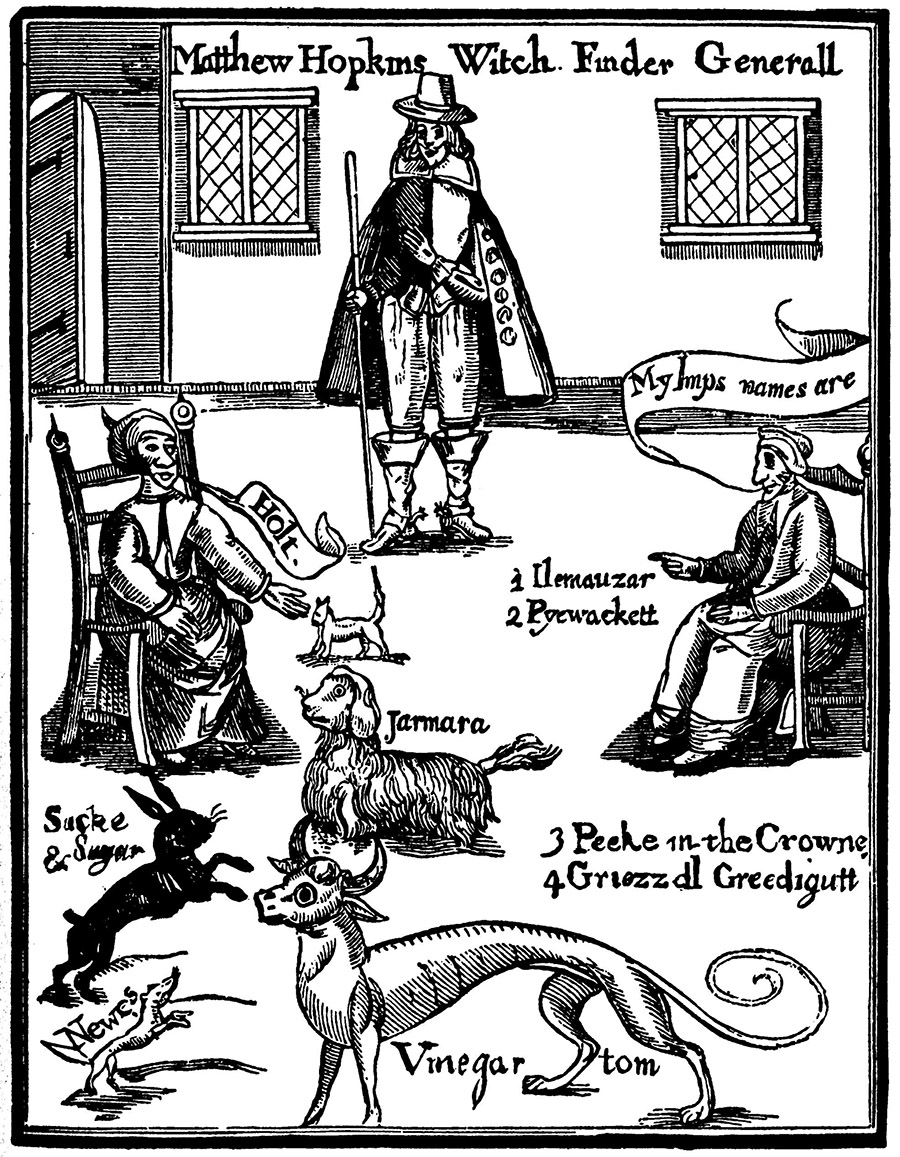
People from the lower ranks of society are also employed in the hunt for witches and sorcerers. Between 1645 and 1647, the famous English witch hunter Matthew Hopkins, who designated himself “Witch Finder General”, travels the land with his own following of wise women – the so-called prickers – who help him find the witches.