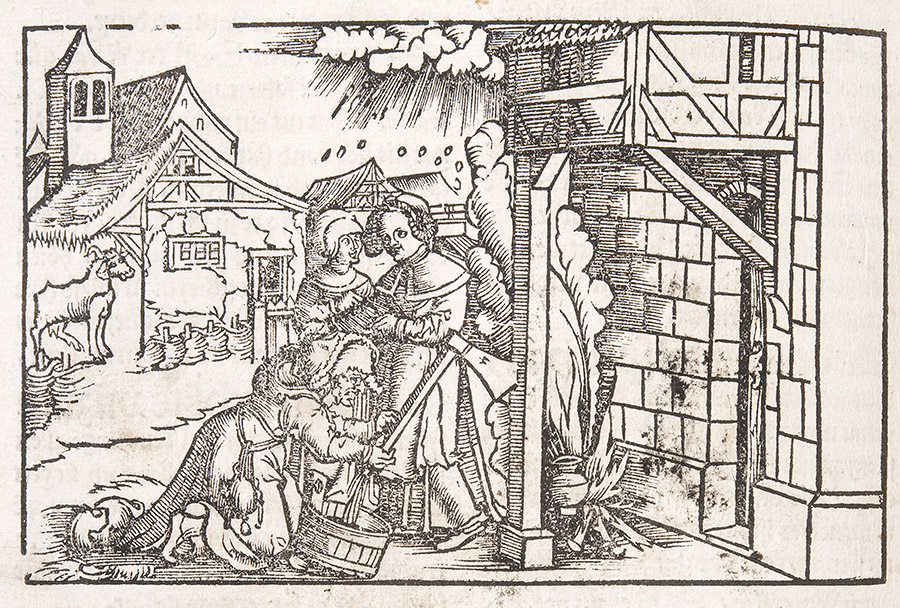
She’s a poor, elderly woman. Her life on the fringes of society, among the lowest of the low, is one of hardship. A life of hunger and uncertainty. A life that may easily lead to the fate of a witch. Because even though a lot of people are condemned for witchcraft or sorcery, a very specific picture of what a witch typically looks and acts like emerges in the 16th and 17th century.
The many accusations of witchcraft actually rarely spring from the tales of witches’ Sabbaths and deals with the Devil recounted by the learned demonologists, but rather from everyday misfortunes among common people. Sudden illnesses or untimely deaths must have their causes, and people too often point the finger at the most vulnerable members of society – at women whose position in the male-dominated society is already precarious. At women who may even have sought to do magic from sheer desperation.
Misfortunes and squabbles may quickly lead to accusations of witchcraft, and perhaps black magic has really been attempted. The destitute woman becomes the dreaded witch.