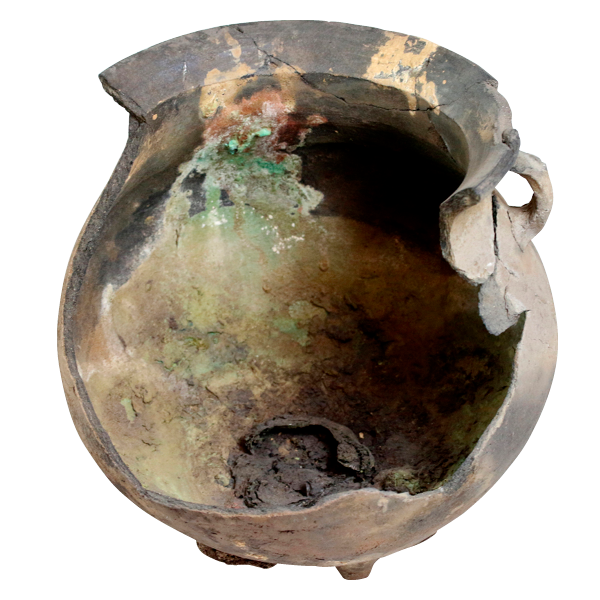
1693 is the year of the last witch burning in Denmark. From then on, the authorities refuse on principle to condemn defendants to the devouring flames of the pyre.
But among the population, superstition and the fear of witches and their magic powers live on for many years. In rural areas in particular, many are still convinced that evil reigns unconquered. People take the law into their own hands and many suspected witches and sorcerers are banished from their homes without due process. Sometimes it even ends in lynchings and murder when people let their fear and suspicion take over.
We know of several 18th century lynchings – the last recorded one is the killing of 82-year-old Anna Klemmens from Horsens. In the year 1800, she is beaten to death by a mob of angry people after being named a witch by a local wise woman.
However, many still turn to the wise women and men – local people who practise herbal medicine and magic rituals and who re knowledgeable in the use and abuse of sorcery. Unlike the top of society who put their faiths in modern medical science, the belief in magic and the supernatural is deeply ingrained among country people. It’s so widespread that the State passes a law against so-called quackery in 1794 to curb unauthorised practice of medicine.
Still, people keep consulting wise women and men well into the 20th century when disease or misfortune strikes.