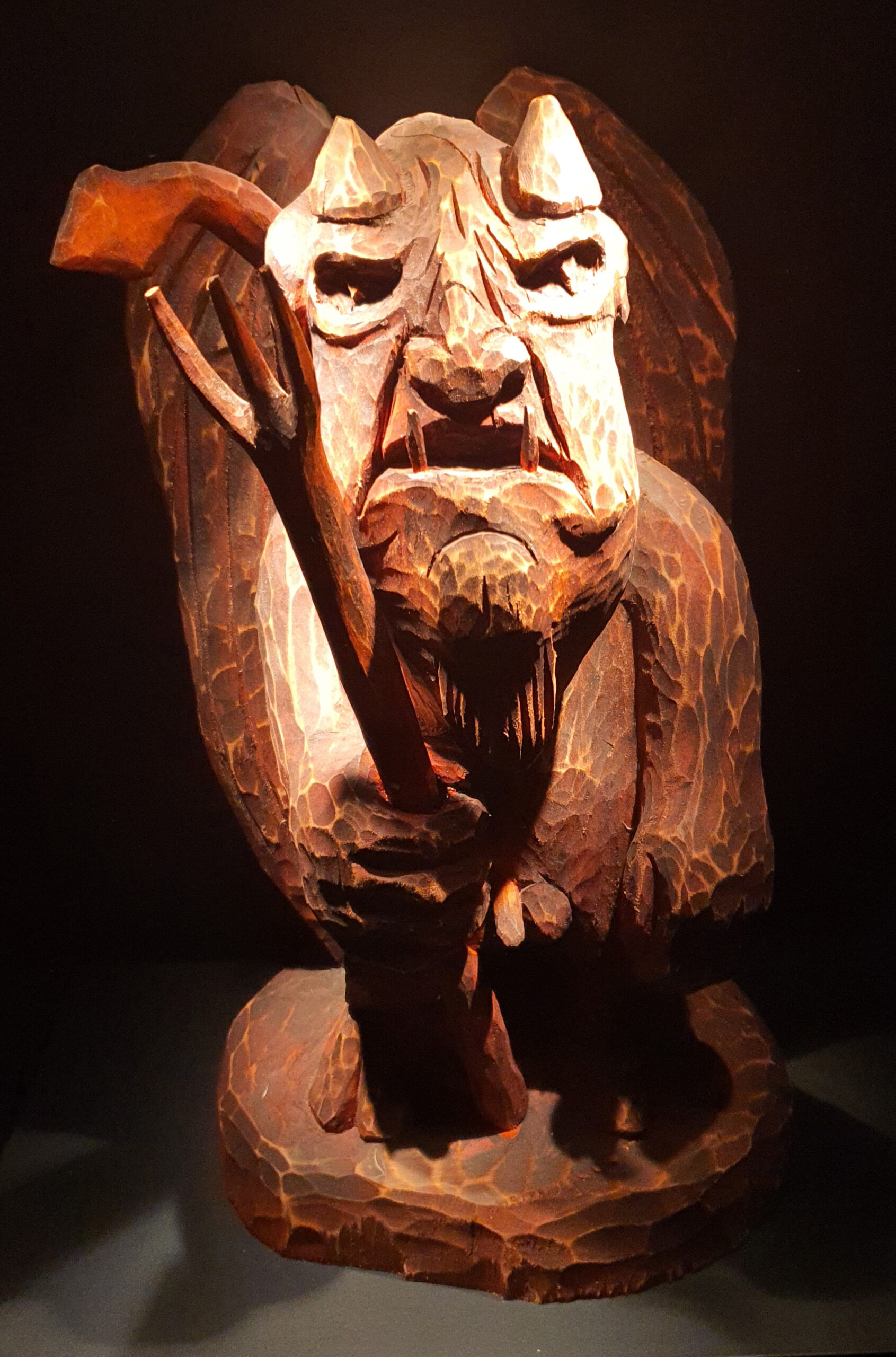
The case of demonic possession in Thisted in 1696 becomes a turning point of the great witch trials in Denmark.
However, it starts out like so many other sorcery trials – with a series of inexplicable making people suspect that the Devil has been at work.
The minister of Thisted, Ole Bjørn, charges a group of local women with witchcraft. They are supposed to have caused a number of young women to be possessed by devils, and one of the accused even confesses, under duress, to have stolen a man’s genitals and bound them to a windmill outside of town.
The whole case ends up in high court, however, and once there, the focus shifts from the demonically possessed to the minister from Thisted and his strange relationship with the possessed young women. A rejected marriage proposal and several instances of the minister having struck the women across their naked behinds as a punishment for sinful behaviour, puts Ole Bjørn in a bad light.
The judges and Christian the Fifth don’t believe that these possessions are genuine at all. Instead, Ole Bjørn loses his living and is sentenced to imprisonment at the island of Bornholm while the women who claimed to have been possessed are all put in jail. The women accused of witchcraft go free.
A few years earlier, in 1692, a similar trial concerning demonic possession takes place on the other side of the globe – in Salem, Massachusetts. Here, 20 people are executed as witches.
Just 20 years later, several of the people executed in Salem are pardoned posthumously, and their families gain the right to seek financial compensation. The cases from Thisted and Salem are both turning points in the attitude to witch trials.