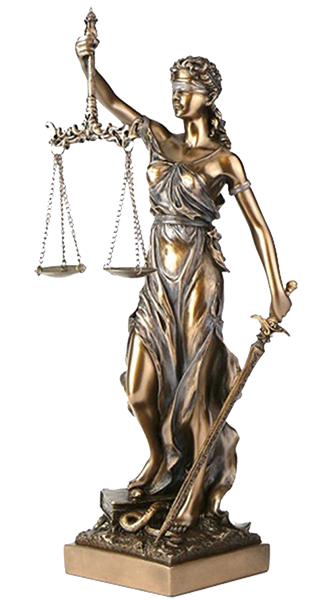
When the gossip about the doings of a witch goes from malicious rumours to public accusations, the judge enters the scene. Along with the jury, he must listen to the parties involved, come to a decision and pronounce the final verdict.
Every sorcery case from 1576 to 1686 must be tried by two Danish courts – the local one and the high court. At the local court, the judge has been elected from among the rich landed farmers or merchants. He has never studied law and consequently has to gain experience from trial to trial and trust to his existing knowledge of the locals involved.
When the verdict has been delivered, the case is automatically appealed and brought before the high court. Unlike the local ones, the high court judges are learned men educated at home and abroad. Rather than trust to any personal knowledge of the people involved in the case, they base their verdicts on evidence and testimonies.
Only very few cases make it to the supreme court of the country – the Royal Court of Appeal. In such rare cases, the King himself must review and the accusations and pronounce the final verdict.