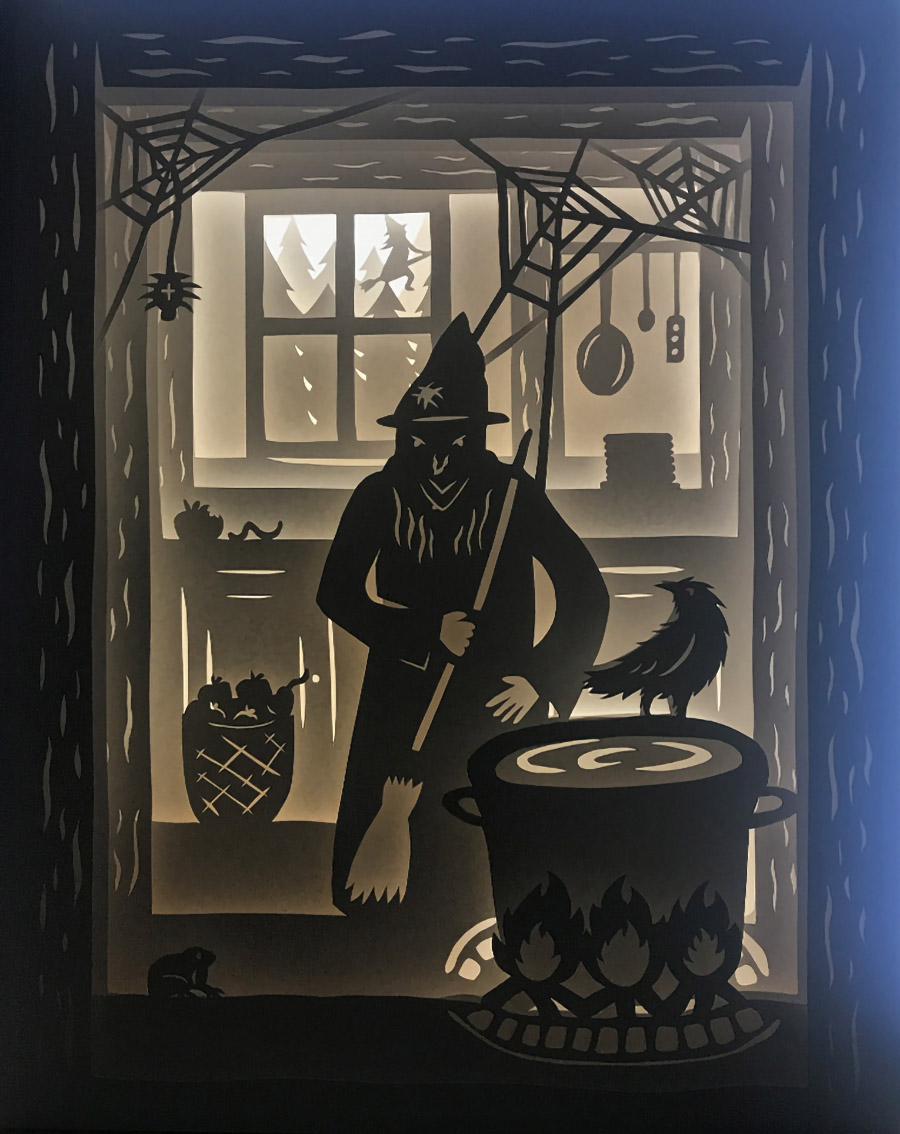
She is the villainess of the fairy tale with her hairy warts, hooked nose and a pointy hat.
We meet her in the dark woods – in the entertaining stories and tales that emerge in the wake of the many witch trials. The iconic witch we know today, who has become a figure of horror along with vampires, mummies and werewolves, has changed significantly from her historical starting point.
Even though her physical appearance – an ugly old crone with a black cloak and a flying broomstick – may be linked directly to the 17th century stories of the sorcerous woman, the fairy tale witch is represented as a trivialised and one-dimensionally evil character in modern pop culture. Or is she?
Over the last few decades, the pop cultural image of the witch has actually developed dramatically. Thanks to this new trend, she’s now regaining more sides to her personality. The character of Maleficent lends the evil fairy godmother from Sleeping Beauty character and humanity, and through her and other witches popping up in movies and books, we now encounter characters we understand and identify with. More than anything, the witch is a human being.